
What Does a Doula Do?
A Guide to Birth, Postnatal & Night Doula Support
It’s one of the questions I get asked most often. Is a doula like a midwife? Are we there to look after the baby? Is it the same as having a nanny? And what exactly am I going to do when I turn up at your house at 7 am after you’ve been awake half the night with your baby?
The simple answer is that a doula is there to support you.
That support can look very different depending on whether I’m supporting you through pregnancy and birth, helping you navigate those early days and weeks at home, or arriving in the evening so that you can finally get some much-needed sleep.
For me, being a doula isn’t about coming into your home and telling you how to have your baby or how to parent. It’s about walking alongside you, helping you feel informed, supported and a little less overwhelmed as you find your own way.
So, let’s break down what a doula actually does.
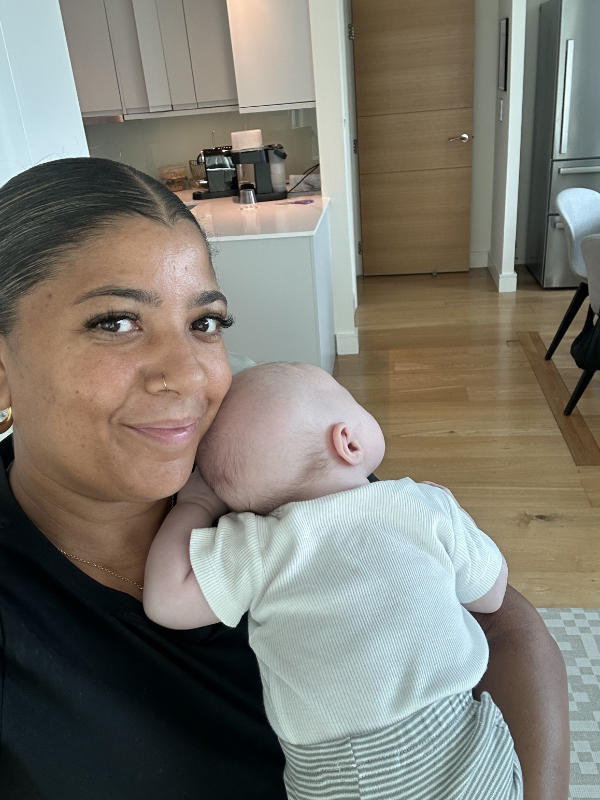
What is a Doula
We don’t provide medical care, and we’re not there to replace your midwife or other healthcare professionals.
Instead, think of a doula as someone firmly in your corner.
Someone you can ask the questions you forgot to ask at your appointment. Someone who can talk through your options without judgement. Someone who gets to know you, what matters to you and how you’d like to be supported.
And sometimes, particularly after your baby arrives, someone who walks through the door, takes one look at you and says:
“Go back to bed. I’ve got this.”
Because support doesn’t always have to be complicated.

What does a birth doula do?
But our relationship usually begins long before you’re having contractions.
Before your baby arrives
During pregnancy, we’ll spend time getting to know each other and talking about how you’re feeling about the birth.
We might discuss your birth preferences, different pain-relief options, what could happen if things don’t go quite as planned and what is particularly important to you.
For some parents, that’s about preparing for their first birth and making the whole thing feel slightly less unknown.
For others, particularly after a difficult previous experience, it might be about feeling more informed and confident going into birth this time around.
I’m not there to tell you what choices to make.
My role is to help you understand your options, ask questions and feel confident making decisions that are right for you and your baby.
When labour begins, a birth doula provides continuous support.
And this is where the phrase “emotional and practical support” can sound a little vague!
In reality, it might mean rubbing your back through contractions, helping you change positions, reminding you to breathe when everything feels overwhelming, creating a calm environment or simply sitting quietly beside you.
It might mean getting you a drink, finding another pillow, reassuring your partner, helping you remember a question you wanted to ask or encouraging you when you feel as though you can’t possibly do another contraction.
Sometimes I might be very hands-on.
Sometimes the best thing I can do is simply be there.
Birth can be unpredictable, and good doula support adapts with it.
Does a doula replace my birth partner?
This is something partners sometimes worry about when couples first consider having a doula.
Your partner knows and loves you in a way I never could. My role isn’t to replace that relationship; it’s to support it.
Birth partners can feel enormous pressure too. They may be watching someone they love experience labour while simultaneously trying to remember everything they learnt at antenatal classes!
Having another experienced person in the room can take some of that pressure away.
I can suggest ways they can support you, reassure them about what’s happening and occasionally remind them that they need to eat, drink or go to the toilet too!
Rather than pushing partners out, doula support can help them feel more confident and involved.
What does a postnatal doula do?
Then suddenly you’re home with this tiny new person, you’re recovering from pregnancy and birth, you’re exhausted, everyone wants to meet the baby…and somehow you’re supposed to know exactly what you’re doing.
You don’t. Nobody does.
The early postnatal period is a huge transition, and practical and emotional support can make a real difference.
A postnatal doula supports the whole family, not just the baby. Every family needs something slightly different, so there isn’t a strict list of what a postnatal visit has to look like.
I might arrive in the morning after you’ve been awake feeding and settling your baby throughout the night. You hand baby over to me and head straight back upstairs for a couple of hours’ sleep.
While you rest, I might settle baby, sort some breakfast, tidy the kitchen, wash or sterilise bottles or pump equipment, put a load of washing on or simply hold baby so that you don’t have to.
When you wake up, you can shower, have something to eat and tell me all about the night you’ve just had over a cup of tea. On another day, what you need might be completely different.
Perhaps you’d like support with feeding. Perhaps you need reassurance around normal newborn behaviour. Perhaps you’d like to get out of the house for your first walk with baby. Or perhaps you simply need another adult to talk to. Postnatal doula support isn’t about coming into your home and taking over. It’s about making life feel a little more manageable while you recover, get to know your baby and find your rhythm as a family.
What does a night doula do?
Newborn babies need frequent feeding and care throughout the night, and weeks of broken sleep can be incredibly tough.
A night doula provides overnight support so parents can get more rest while knowing their baby is being cared for.
Exactly what that looks like depends on your baby and how you’re feeding.
If your baby is bottle-fed, I can take on feeds, changing, winding and settling, allowing you to get longer stretches of uninterrupted sleep.
If you’re breastfeeding, I’ll work around you and your baby. That might mean bringing baby to you when they’re ready to feed, then taking over afterwards—winding, changing, and settling baby back to sleep so you can focus on feeding and getting yourself back to sleep.
And then there are the nights when babies simply don’t want to be put down.
Having someone there to cuddle, rock, walk, and settle your baby while you sleep can feel like an absolute gift at 3am.
It’s not about forcing a newborn into a strict routine or promising they’ll magically sleep through the night.
It’s about supporting your baby’s needs while helping you get the rest you need too. There’s a reason some of my families have nicknamed me “Aunty Bed.”
Sleep is precious!
Doula vs midwife: what’s the difference?
A midwife is a qualified healthcare professional responsible for the clinical care of you and your baby.
They can monitor you and your baby, perform examinations, identify complications and provide medical care and advice.
A doula does not do those things.
I don’t perform medical examinations, diagnose conditions, monitor your baby’s heartbeat or make medical decisions for you.
My role is non-clinical.
I’m there to provide emotional, practical and informational support and to help you feel heard and supported throughout your experience.
Midwives and doulas therefore have very different roles and can work beautifully alongside one another.
Your maternity team is responsible for your clinical care.
Your doula is there specifically to support you.
Doula vs nanny: what’s the difference?
Generally, a nanny’s primary responsibility is caring for the child.
A postnatal doula’s focus is wider.
Yes, I can care for your baby, but I’m also thinking about you.
How are you recovering? Have you eaten? When did you last sleep? How is feeding going? Are you feeling confident? Does your partner need some reassurance too? Is there something practical I can do that would make today easier?
The purpose of postnatal doula support is ultimately to nurture the family while you transition into life with your new baby.
Some professionals, myself included, may work across different types of postnatal and newborn support depending on what a family needs.
What are the benefits of having a doula?
During birth, continuous support has also been associated with a number of positive outcomes, including an increased likelihood of spontaneous vaginal birth, shorter labour and fewer negative feelings about the birth experience.
But I think it’s important to say something here. Having a positive birth experience does not mean having one particular type of birth. A vaginal birth isn’t a “successful” birth while a Caesarean is somehow a failure.
Having an epidural doesn’t mean you didn’t cope. Changing your mind isn’t failing to stick to your birth plan. Birth sometimes takes unexpected turns.
For me, good doula support is about helping you come away feeling that you were heard, respected, informed and supported, whatever path your birth ultimately takes.
And after birth, the benefits of support can be much simpler.
A shower. A hot meal. Two uninterrupted hours of sleep. Someone telling you that yes, what your baby is doing is completely normal. Someone listening without immediately offering an opinion. Sometimes those small things make an enormous difference.
Is hiring a doula worth it?
Some families have an incredible network around them. Grandparents live nearby, partners have plenty of time off work, and they feel confident about navigating those first few weeks. For others, things look very different.
You might be having your first baby and feel completely overwhelmed by everything you don’t know.
You may not have family nearby. Your partner might need to return to work quickly. You may already have older children who still need you. You might have had a difficult previous birth.
Or perhaps you simply know yourself well enough to know that you cope much better with life when you’ve had some sleep!
Sometimes what you’re really paying for isn’t simply someone to “look after the baby”.
It’s having someone experienced beside you who doesn’t need anything from you. You don’t need to host me. You don’t need to make me a cup of tea. You don’t need to tidy the house before I arrive. And you definitely don’t need to pretend everything is wonderful if it isn’t. I’m there to look after you.
How do I choose the right doula?
Ask what their packages include, what happens if they’re unavailable and how they work alongside your partner and maternity team. But there’s another part of choosing a doula that is much harder to put on paper. Do you actually like them? You are potentially inviting this person into one of the most intimate, emotional and vulnerable periods of your life.
You might be labouring in front of them. You might be crying in front of them. They may see you at 7 am, three days postpartum, wearing yesterday’s pyjamas with your hair on top of your head, wondering how such a tiny human managed to keep you awake for the entire night. You need to feel comfortable around them.
So speak to a few doulas if you want to. Ask questions. And pay attention to how you feel after your conversation. Did you feel listened to? Did you feel comfortable? Did you feel judged, or did you feel able to be completely yourself? Did you finish the conversation feeling slightly more reassured than when you started? That connection matters.
Could a doula be right for you?
There isn’t one “right” way to have a baby and there isn’t one right way to navigate those first weeks afterwards. Some families want support throughout pregnancy and birth. Some want someone waiting for them when they come home. Some need a few mornings each week so they can rest and recover. And some just desperately want somebody else to handle the 3am shift! Support should fit your family, not the other way around.
At Doula With Love, I provide birth, postnatal and overnight doula support to families across Surrey, London and Kent.
My approach is simple: warm, practical, calm and completely judgement-free support while you find your feet and work out what feels right for you and your baby.
If you’re expecting a baby and wondering what having a doula could look like for your family, I’d love to have a chat. There’s no pressure and no expectation to book. Sometimes it simply helps to talk it through.
Jess x
Doula With Love